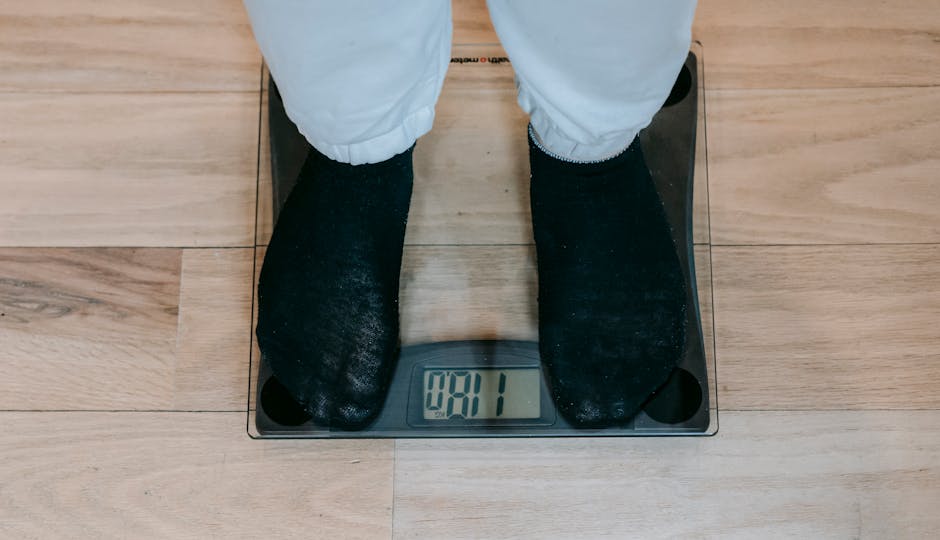
A Sustainable Approach to Weight Management: The Need for Caution in a Rapidly Evolving Market
Background
Recently, a BBC news story brought to light concerns over online pharmacies selling weight-loss injections without conducting thorough checks on patients. This revelation serves as a timely reminder that the pursuit of sustainable weight management should be guided by evidence-based approaches and personalized advice from healthcare professionals.
The Problem with Fad Diets and Miracle Cures
The weight loss industry has long been plagued by fad diets, quick fixes, and unsubstantiated miracle cures. These often rely on restrictive eating or unproven medical interventions that not only fail to deliver lasting results but can also be harmful to one's health.
What Works: Research-Backed Strategies for Sustainable Weight Loss
1. Balanced Eating Habits: Focus on a balanced diet rich in fruits, vegetables, whole grains, lean proteins, and healthy fats. Aim for variety rather than strict adherence to specific food groups.
2. Portion Control: Use smaller plates, measure food portions, and pay attention to hunger and fullness cues.
3. Regular Physical Activity: Incorporate a mix of aerobic exercise (walking, cycling) and strength training into your daily routine.
4. Mindful Eating: Eat slowly, savor flavors, and enjoy meals without distractions.
Expert Insights
- "The most effective weight management strategies are those that focus on sustainable lifestyle changes rather than quick fixes," says Dr. Emma Taylor, a leading nutritionist. "It's about adopting healthy habits that become second nature over time."
- Dr. John Lee, an obesity specialist, emphasizes the importance of addressing the psychological and emotional aspects of eating. "Weight management is not just about food or exercise; it's also about understanding one's relationship with food and developing coping mechanisms for stress and emotions."
Actionable Takeaways
- Consult a healthcare professional before starting any new diet or exercise program.
- Aim for gradual weight loss (1-2 pounds per week) rather than rapid, unsustainable results.
- Focus on progress not perfection, embracing setbacks as opportunities to learn and adjust.
Conclusion
The pursuit of sustainable weight management is a journey that requires patience, self-awareness, and evidence-based guidance. With the right mindset and support, individuals can develop healthy habits that lead to lasting success rather than fleeting fads.
By Fit Wise
Comments
Post a Comment