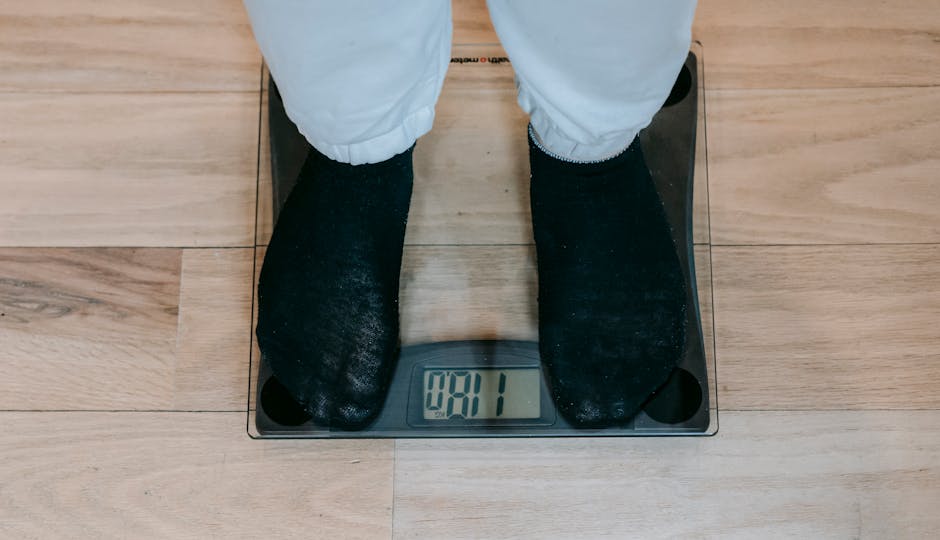
Sustainable Weight-Management Strategies for 2025: Putting Evidence Over Fad Diets
A recent news story in The New York Times highlighted the growing trend of weight-loss medications becoming a turning point for individuals struggling with exercise aversion and weight management. While these medications may offer short-term solutions, they only scratch the surface of what's needed for long-term success. As we head into 2025, it's essential to focus on sustainable strategies that prioritize evidence-based practices over fad diets.
Breaking Down Barriers: Why Exercise Aversion Matters
For many people, exercise is a significant barrier to achieving and maintaining a healthy weight. Research suggests that exercise aversion can stem from various factors, including genetics, upbringing, and past experiences. According to Dr. Jennifer Schneider, an obesity specialist at the University of Colorado Anschutz Medical Campus, "Exercise aversion is often rooted in a lack of enjoyment or perceived benefit, rather than a physical limitation." This nuanced understanding underscores the need for weight-management strategies that address the complexities of exercise aversion.
Evolving Our Approach to Weight Management
Traditional approaches to weight loss often rely on restrictive diets and high-intensity exercise regimens. However, these methods can lead to burnout, guilt, and unsustainable results. In contrast, emerging research emphasizes the importance of a balanced, whole-foods diet and gentle, enjoyable physical activity.
Key Components of Sustainable Weight Management
Based on evidence from leading health organizations and expert recommendations, here are key components to focus on:
**Nutrition Strategies: Whole Foods and Mindful Eating**
1. Emphasize whole, unprocessed foods like vegetables, fruits, lean proteins, and whole grains.
2. Practice mindful eating by savoring each bite, paying attention to hunger and fullness cues, and eating regularly throughout the day.
**Physical Activity Strategies: Gentle and Enjoyable Exercise**
1. Prioritize enjoyable activities that bring you joy, whether it's walking, swimming, dancing, or gardening.
2. Aim for at least 150 minutes of moderate-intensity exercise per week, but prioritize frequency over duration.
3. Incorporate strength training to build muscle mass, improve bone density, and boost metabolism.
**Lifestyle Changes: Sleep, Stress Management, and Support**
1. Prioritize 7-9 hours of sleep each night to regulate hunger hormones and support weight management.
2. Engage in stress-reducing activities like meditation, yoga, or deep breathing exercises to mitigate emotional eating.
3. Surround yourself with a supportive network of friends, family, or a registered dietitian for motivation and accountability.
Putting it into Practice: A Call to Action
As we embark on the new year, remember that sustainable weight management is not about quick fixes or magic bullets. It's about adopting evidence-backed strategies that prioritize long-term success over short-term gains.
- Consult with a healthcare professional before starting any new diet or exercise program.
- Prioritize patience and self-compassion as you work towards your goals.
- Celebrate small victories along the way, rather than waiting for significant weight loss milestones.
By Fit Wise
Comments
Post a Comment