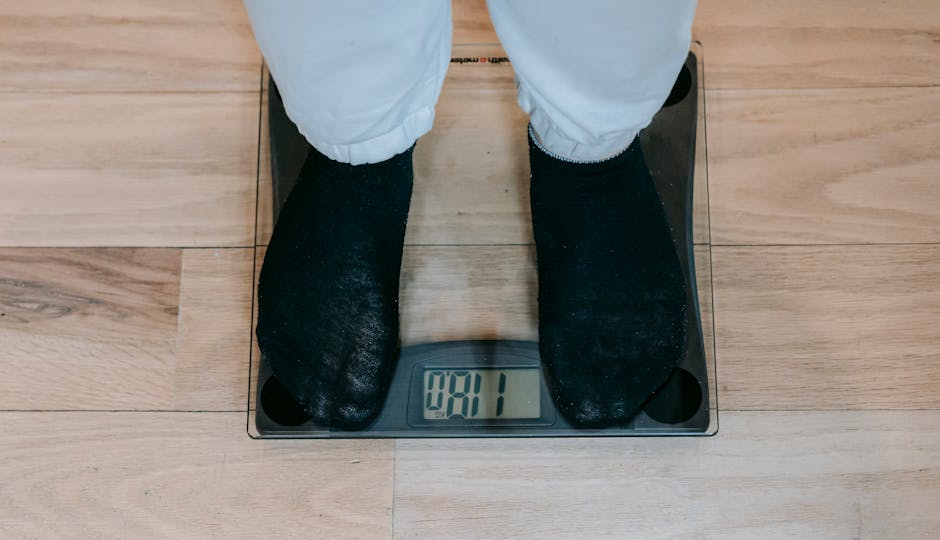
Sustainable Weight-Management Strategies for 2025: Beyond Fad Diets
The Rise of DIY Weight-Loss Solutions
Recent news stories have highlighted a growing trend where individuals are opting to create their own weight-loss concoctions at home. This approach raises several concerns about the safety and efficacy of such practices. As we move into 2025, it's essential to focus on sustainable strategies for managing weight that are grounded in evidence and guided by healthcare professionals.
Understanding Sustainable Weight Management
Sustainable weight management isn't just about losing weight quickly; it's about adopting a lifestyle that supports long-term health goals. This involves not only dietary changes but also an understanding of physical activity, stress management, and how to navigate the complex world of nutrition and health information.
Key Considerations for Sustainable Weight Loss
1. **Nutrient-Dense Eating**
Aim to eat whole foods like vegetables, fruits, lean proteins, and whole grains. These provide essential nutrients while keeping calorie intake in check.
Practical Tip: Start your day with a balanced breakfast that includes both protein and complex carbohydrates.
2. **Hydration and Sleep**
Drinking plenty of water and getting adequate sleep are crucial for metabolism regulation and hunger management.
Actionable Step: Set a reminder to drink at least eight glasses of water each day, and establish a consistent bedtime routine to improve sleep quality.
3. **Physical Activity**
Incorporate activities that you enjoy into your daily routine, aiming for a balance between cardiovascular exercise and strength training.
Beginner's Guide:
- Start with short sessions (20-30 minutes) three times a week.
- Gradually increase duration and frequency as your body adapts.
4. **Stress Management**
Engage in stress-reducing activities like meditation, yoga, or deep breathing exercises.
Quick Relaxation Techniques: Take a few minutes each day to breathe deeply, focusing on the sensation of the breath moving in and out of the body.
Expert Insights
- "The most significant challenge is not creating an effective diet plan but sticking to it long-term," says Dr. Emily Chen, a registered dietitian with expertise in weight management.
- Dr. David Lee, a sports medicine specialist, emphasizes the importance of gradual changes: "Losing weight too quickly is not only unhealthy but also unsustainable."
Navigating Health Information
The internet and media are filled with conflicting advice on weight loss. It's crucial to differentiate between evidence-backed recommendations and fad diets.
Critical Thinking Tips:
- Look for studies published in reputable scientific journals.
- Consult multiple sources before making significant changes to your diet or exercise routine.
- Be wary of extreme promises; if it sounds too good (or bad) to be true, it probably is.
Conclusion
Achieving sustainable weight management isn't about quick fixes but about embracing a lifestyle that supports overall health and well-being. As we move into 2025, let's prioritize what truly matters: evidence-based knowledge, a balanced approach to nutrition, regular physical activity, adequate rest, and effective stress management.
Before Starting Any New Program: Consult with your healthcare provider to discuss the best strategies for your individual needs and health status.
By Fit Wise
Comments
Post a Comment